
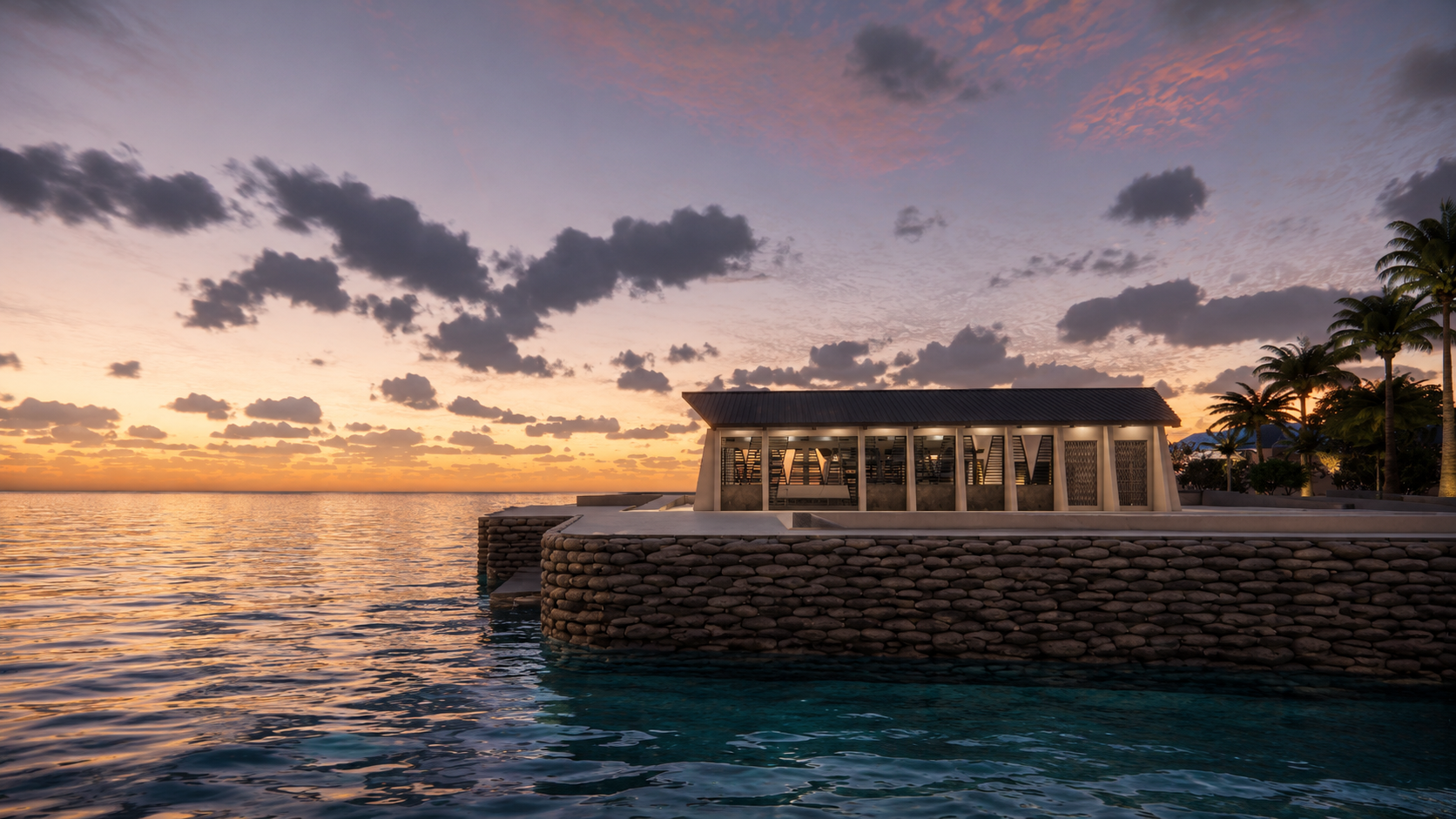
Nanumea & Nanumaga, Tuvalu
MICRO 2 FERRY PASSENGER TERMINALS
Cleint: Government of Tuvalu, World Bank
Contractor: Hall Construction
Structural Engineer: Chesters
Marine Engineer: Haskoning
Project Collaborator: Architects Pacific
Our Services: Community Consultation, Architectural Design
Status: Planning
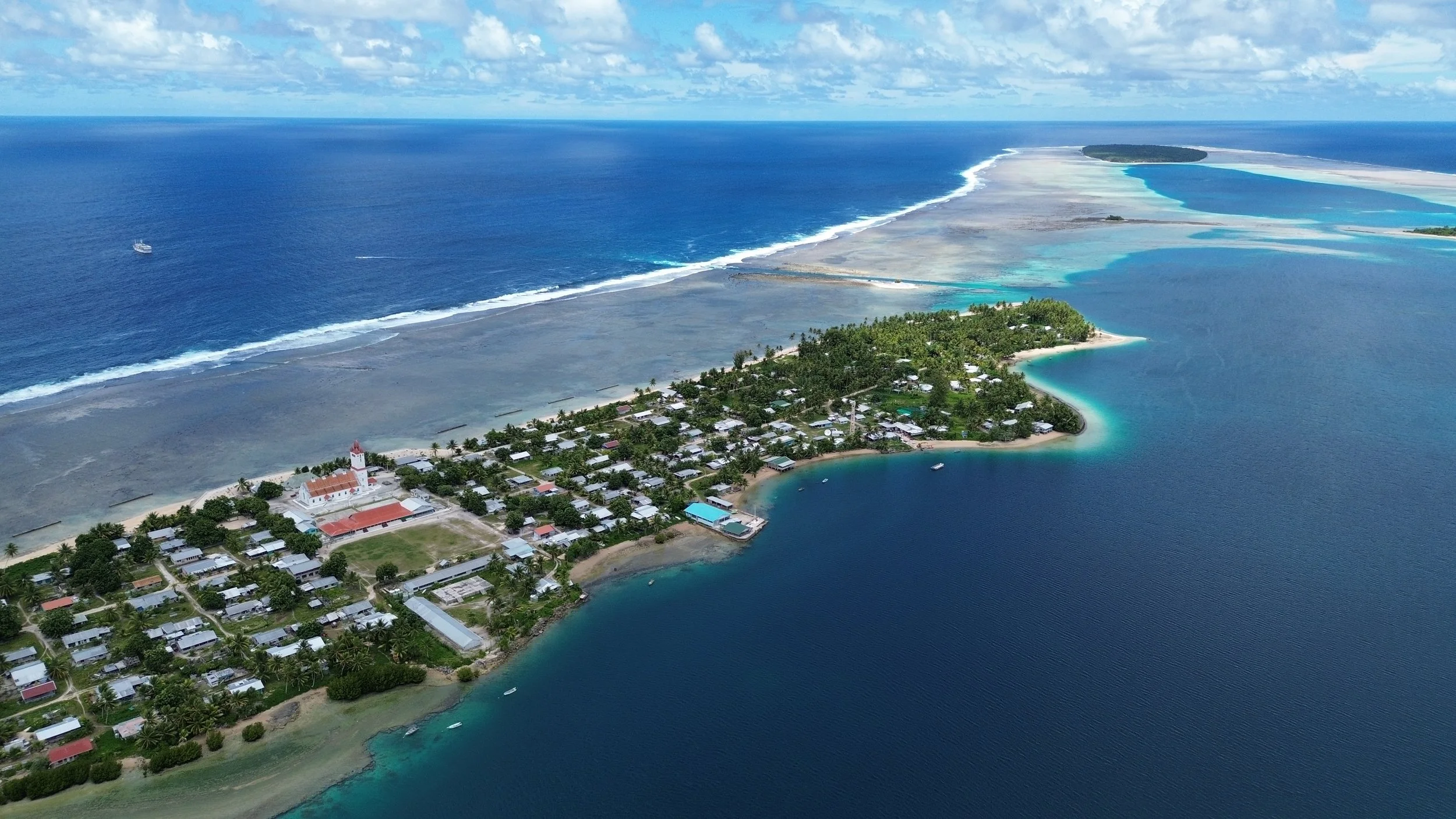
Nanumea Island, Tuvlau. Image credit: Hall Construction
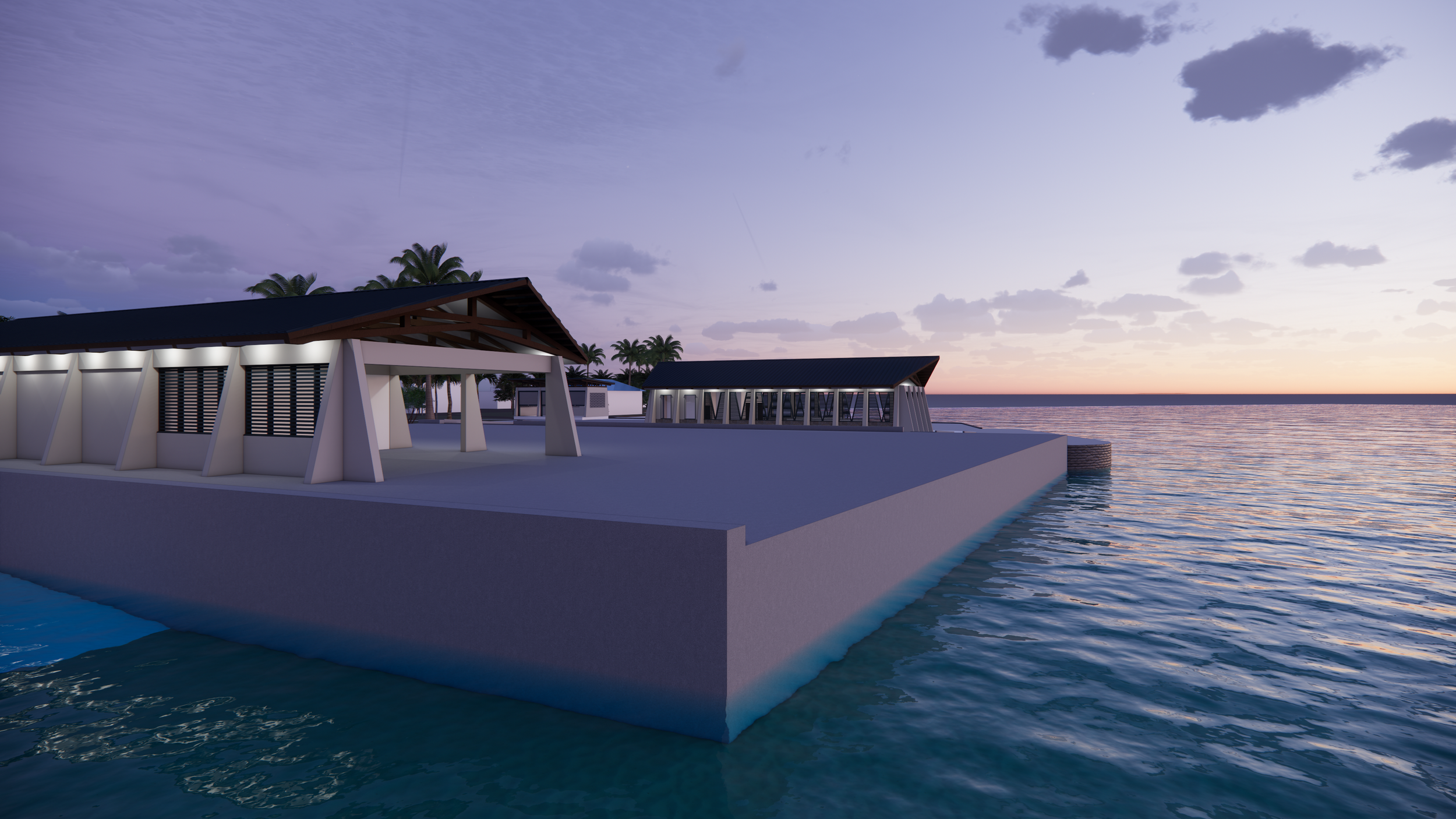
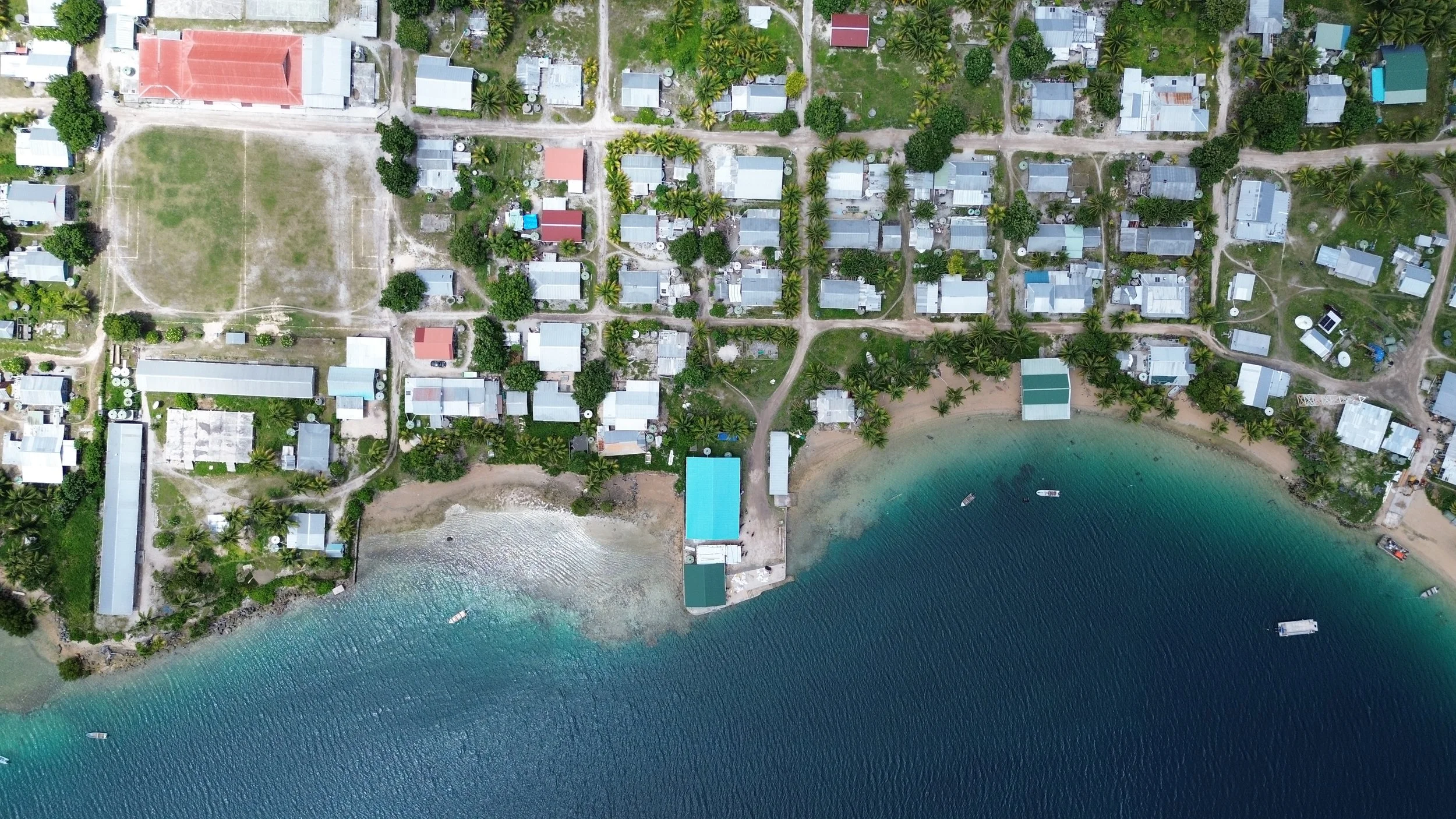
Nanumea Wharf, Tuvalu. Image credit: Hall Construction
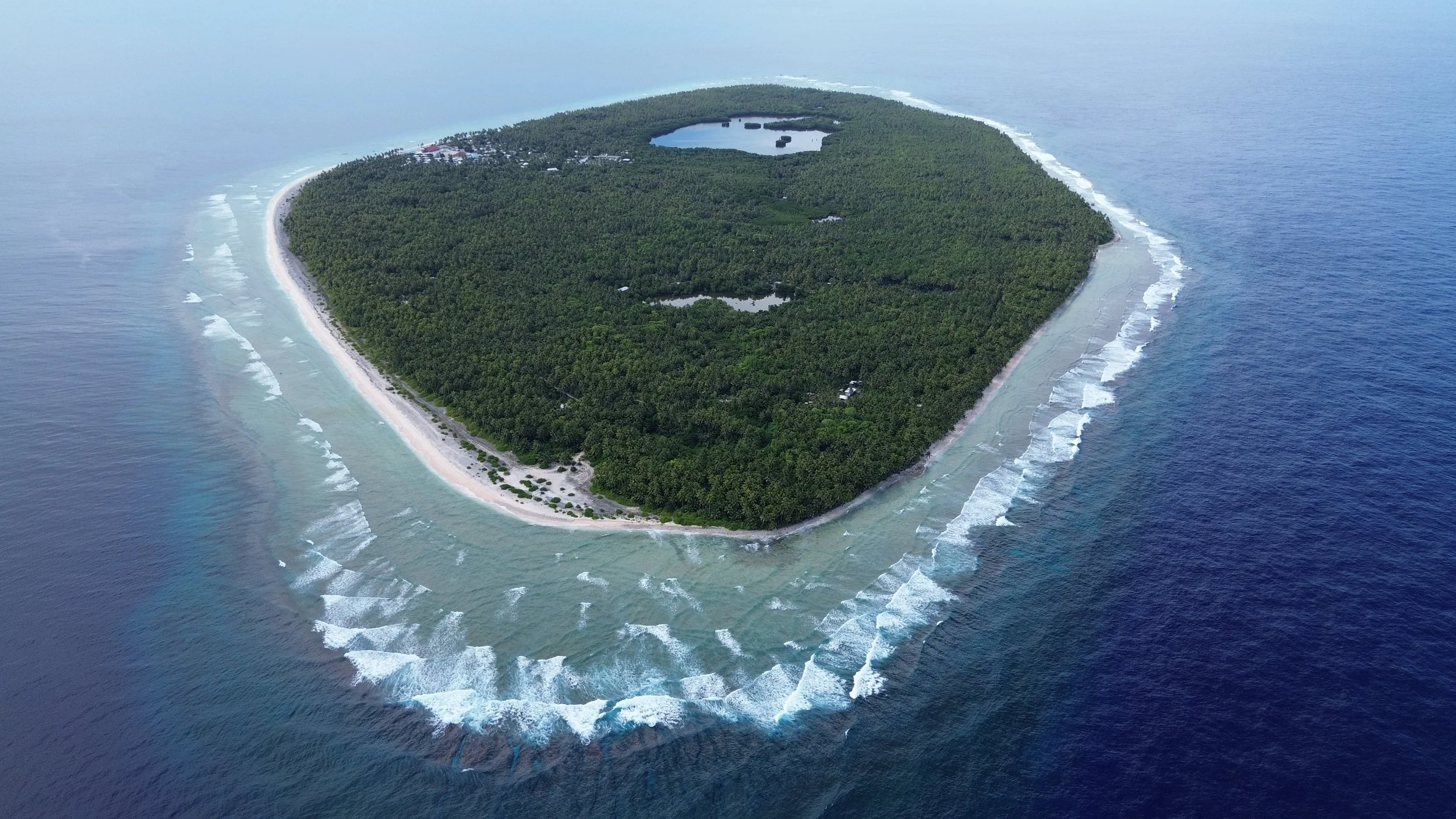
Nanumaga Island, Tuvalu. Image credit: Hall Construction
The Nanumea and Nanumaga Ferry Terminals form part of MICRO 2 – Maritime Investment in Climate Resilient Operations, a national infrastructure programme aimed at strengthening Tuvalu’s inter-island connectivity in the face of climate change. Located on two of Tuvalu’s northernmost islands, the project delivers new wharf infrastructure, ferry passenger terminals, cargo storage facilities, and fuel stores to support safer, more reliable maritime access for remote island communities.
CAUKIN Studio is working as part of a multidisciplinary team in close collaboration with local architects, engineers, contractors, and local stakeholders. The project was informed by extensive site visits, environmental and social impact assessments, and direct engagement with island councils, elders, and community members.
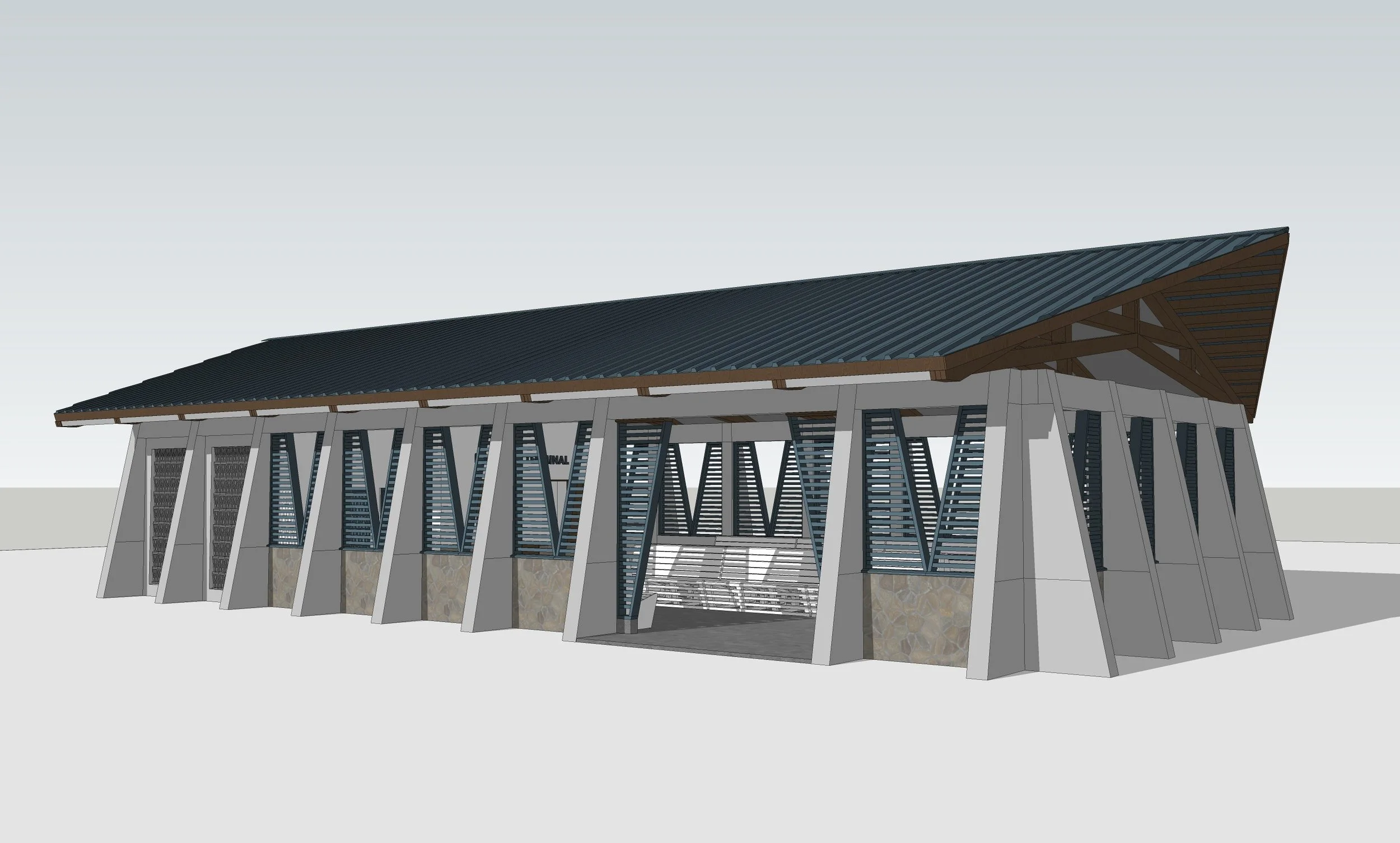
The architectural approach draws on Tuvalu’s vernacular building traditions, referencing simple massing, generous roof forms, and open, naturally ventilated spaces that respond to the tropical marine climate. A unified design typology is adopted across all buildings - Passenger Terminal, Cargo Store, and Fuel Store - creating a cohesive architectural language while allowing each structure to respond to its specific functional requirements.
Construction strategies prioritise on-site fabrication and simple building methods, enabling local participation and skills transfer while avoiding reliance on complex prefabricated systems. Materials are selected for durability, ease of maintenance, and resistance to cyclonic winds and salt exposure, ensuring the buildings can withstand Tuvalu’s challenging environmental conditions over the long term.
Beyond their functional role, the terminals are conceived as civic gateways - places of arrival, gathering, and exchange that reflect community identity and pride. By embedding resilience, cultural sensitivity, and buildability into the design, the project demonstrates how infrastructure can support both everyday life and long-term climate adaptation in some of the world’s most vulnerable island nations.