
MINDORO, PHILIPPINES
MINDORO WARTY PIG CONSERVATION CENTRE
Project Build Length: 8 Weeks
Project Leaders: Matt Caen, Maolin Huang, Tom Chua, Camille Anderson
Project Partners: Talarak Foundation
Local Participants: Dionito Cesar, Jim Paul Cesar, Lemuel Malubo, Jemuel Malubo, Lemberd Cabusao, Diolito Cesar, Johnrei Atienza, Arcy Mendoza, Gime boy Carabedo, Ryan band Garcia, Darry emeress Acdol, kervin de Guito, Aljun Delarosa, John Paul Balaes, Henry Rabino, Ugien Cantos
International Participants: Joshua Moore, Abigail Monaghan, Ana Monteiro, Kaisa Siitonen, Paige Thomas, Kuldip Rohit, Feena O'Leary, Ruth Heery, Ava MacGregor, Orla Thompson, Campbell Carmichael, Archie Nicholson, Naomi Adefolaju, Alzbeta Franekova, Ellis Shiels, Ludovica Scarpa, Melissa Northen, Jessica Mcavoy, Ayesha Isahac, Lucie van Wijck, Anna Szczerba, Louisa Rois, Charlie McCready, Tomas Reyes, Grace Baker, Jessibel Cesar Malubo, Josie Cesar, Maria Sofia Cesar
Engineers: Eckersley O’Callaghan
Photographs: Laiza Manzala
Our Services: Community Consultation, Brief Development, Full Design, Construction, Project Management, Educational Workshop Delivery.



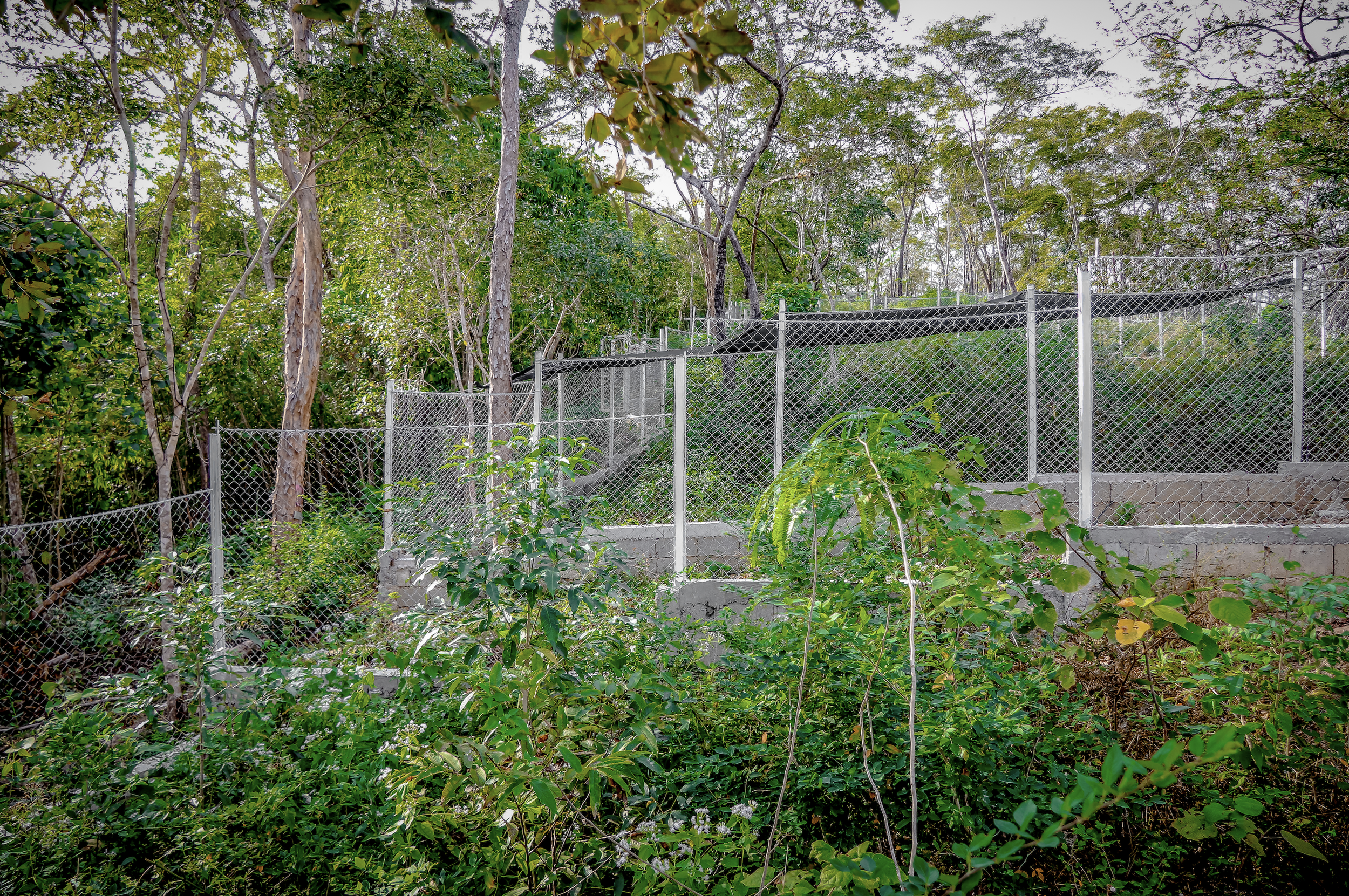
There are a total of 6 large pig enclosures
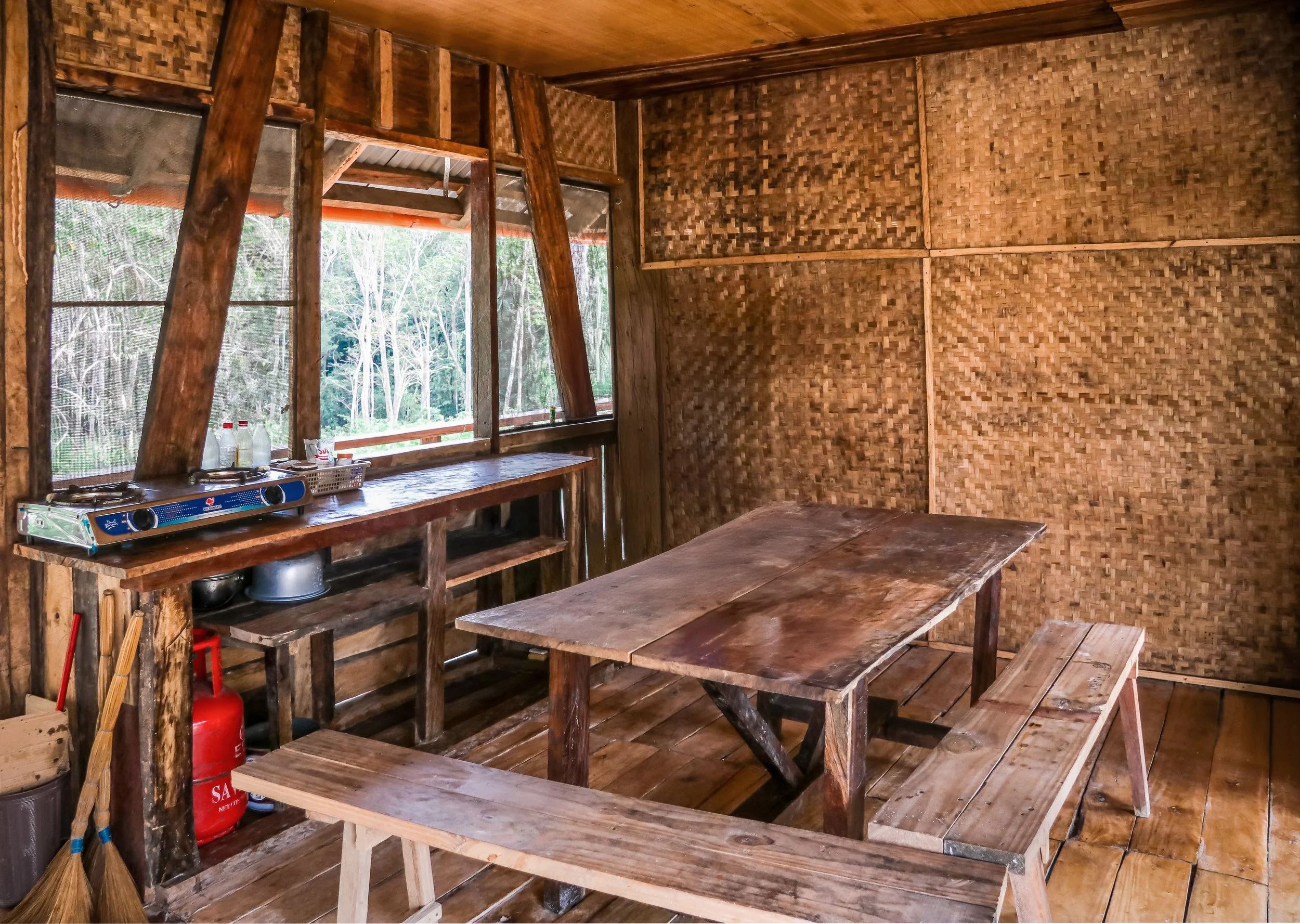
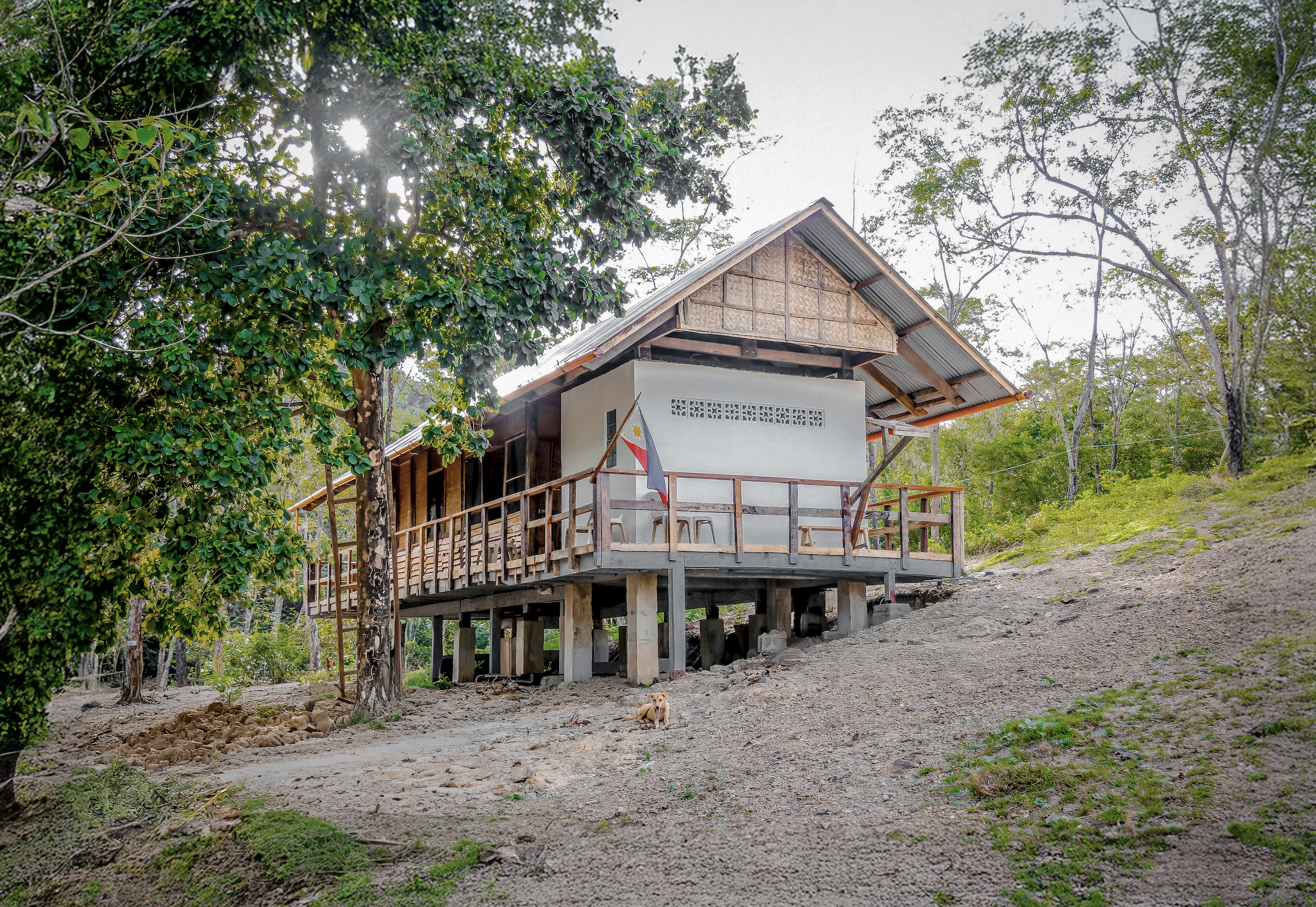
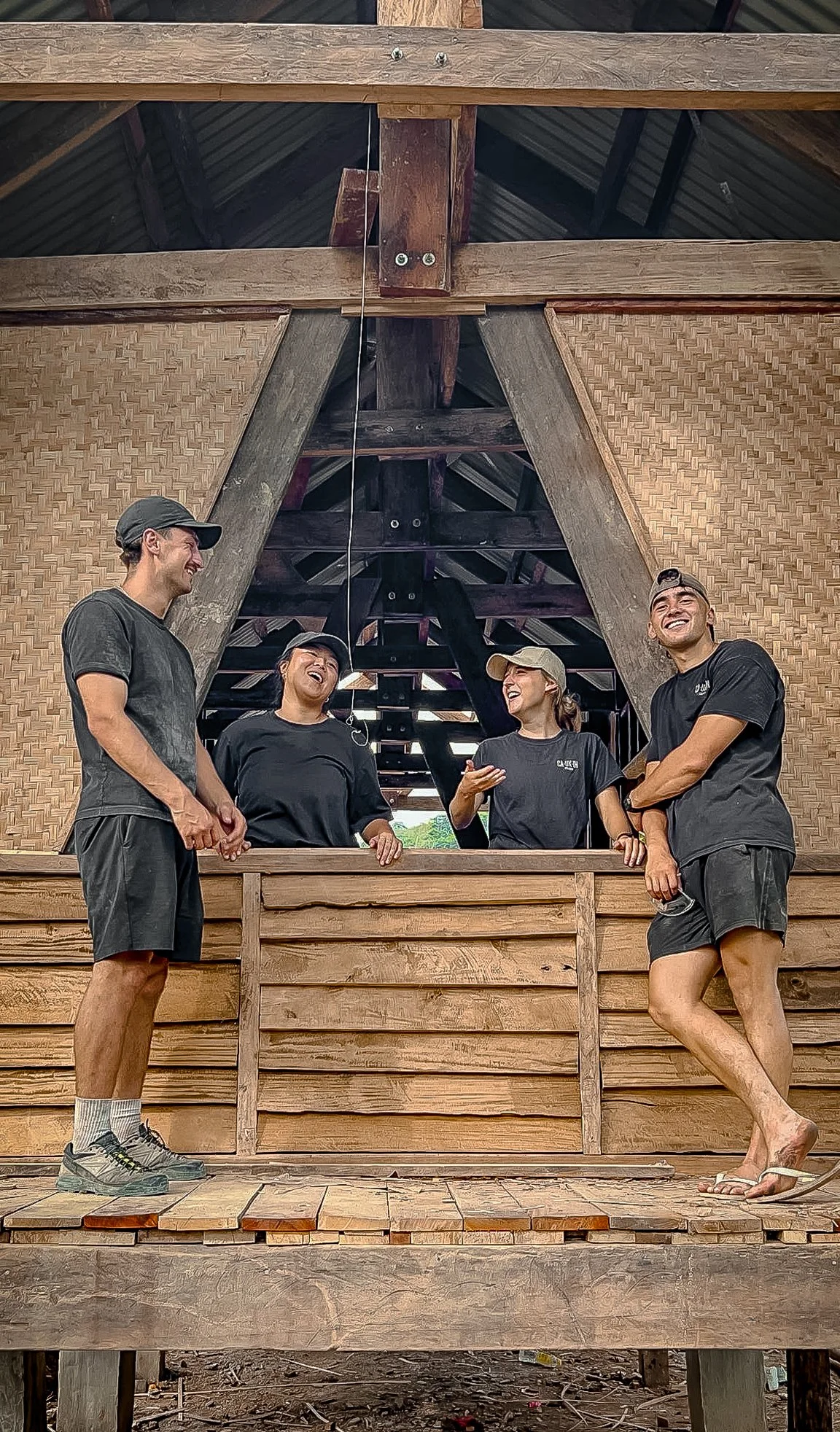
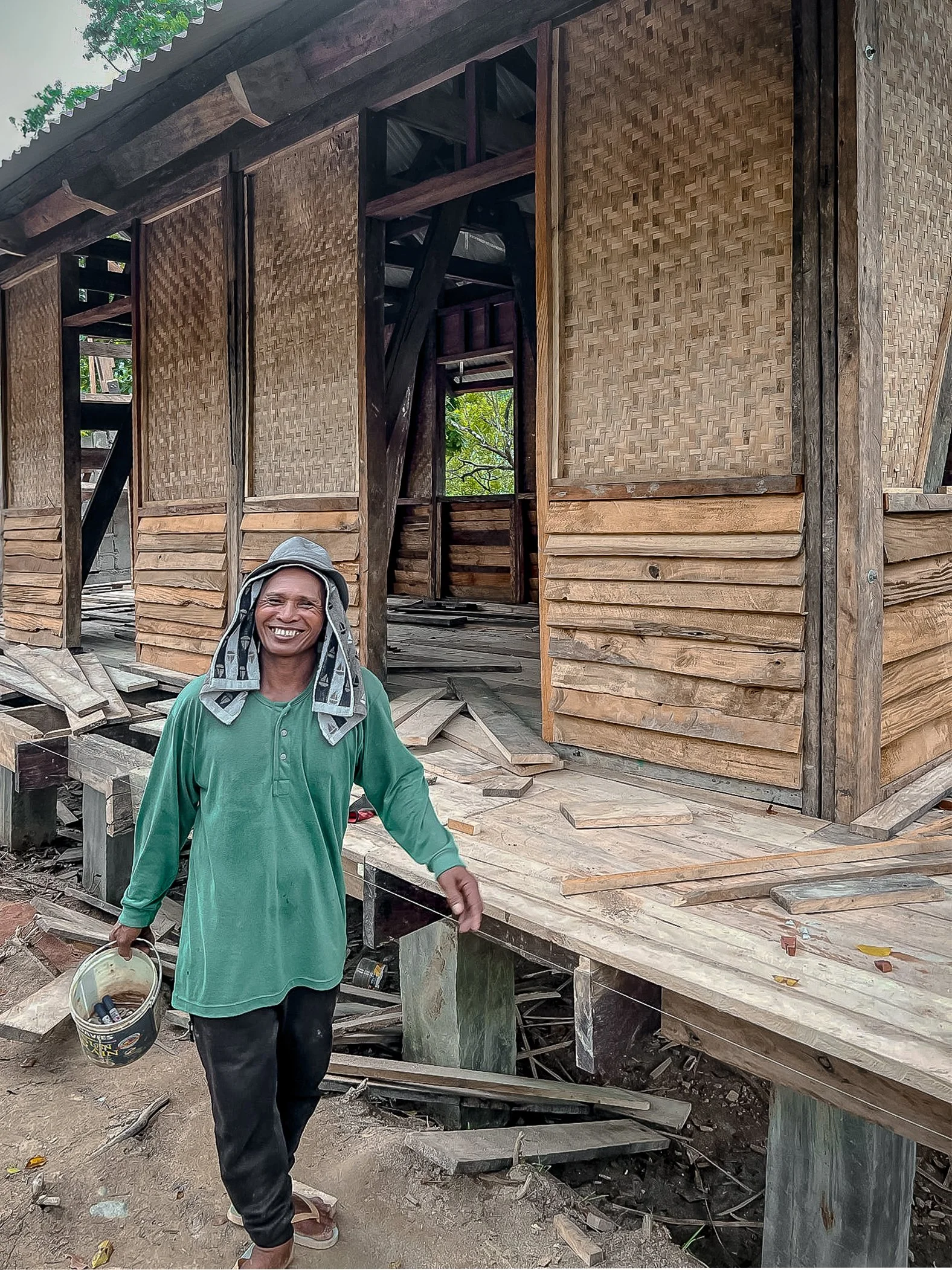
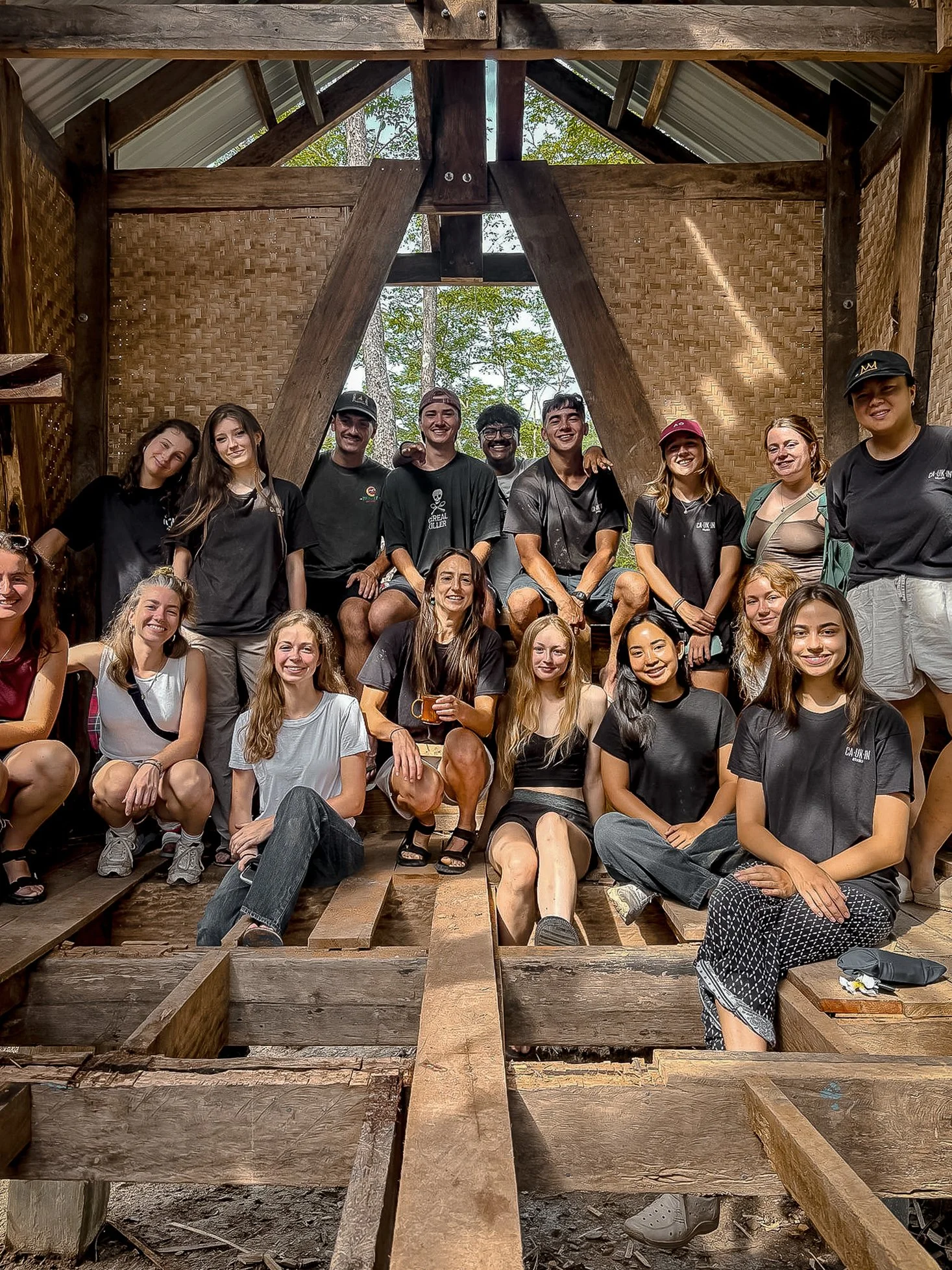
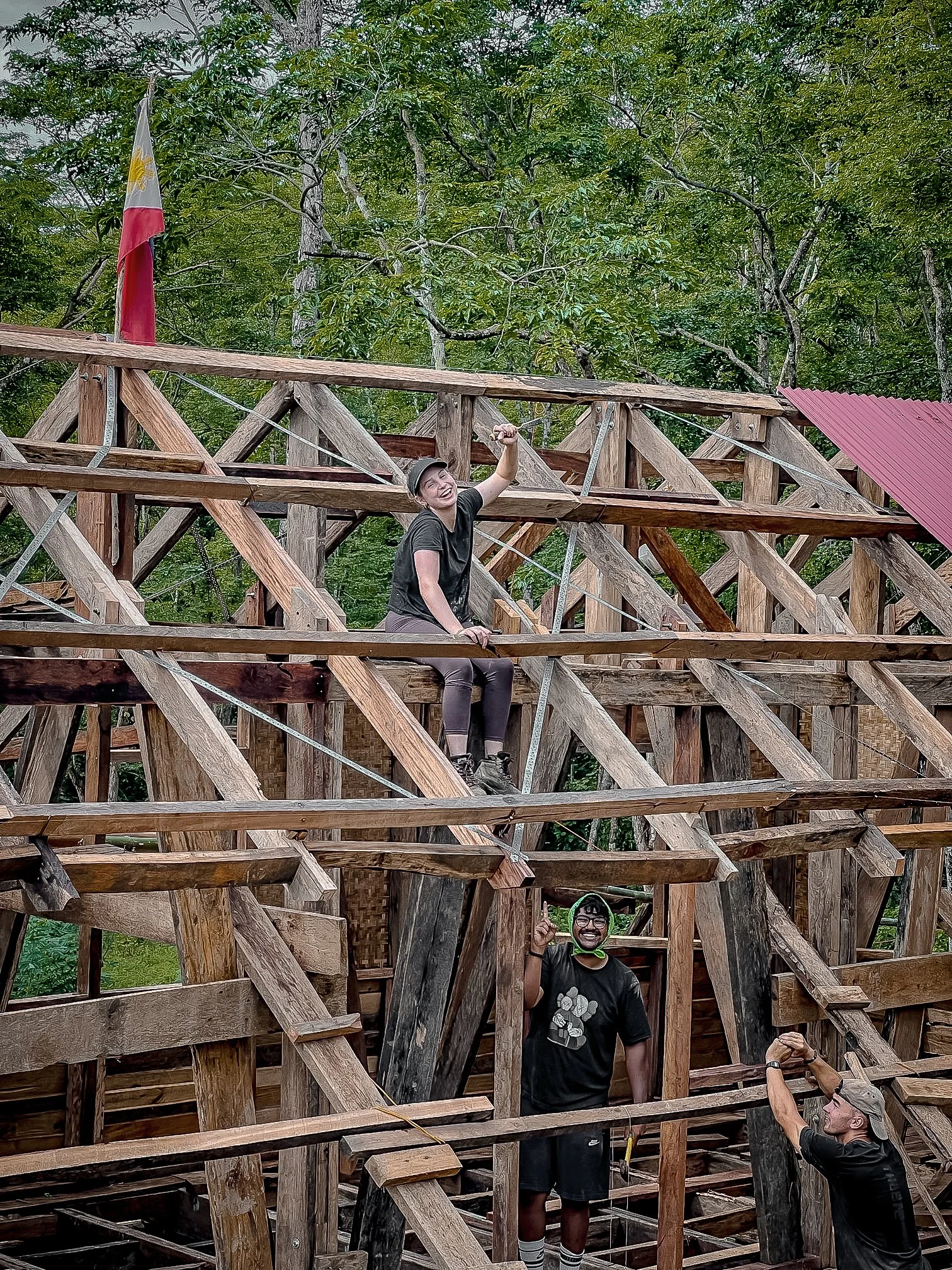
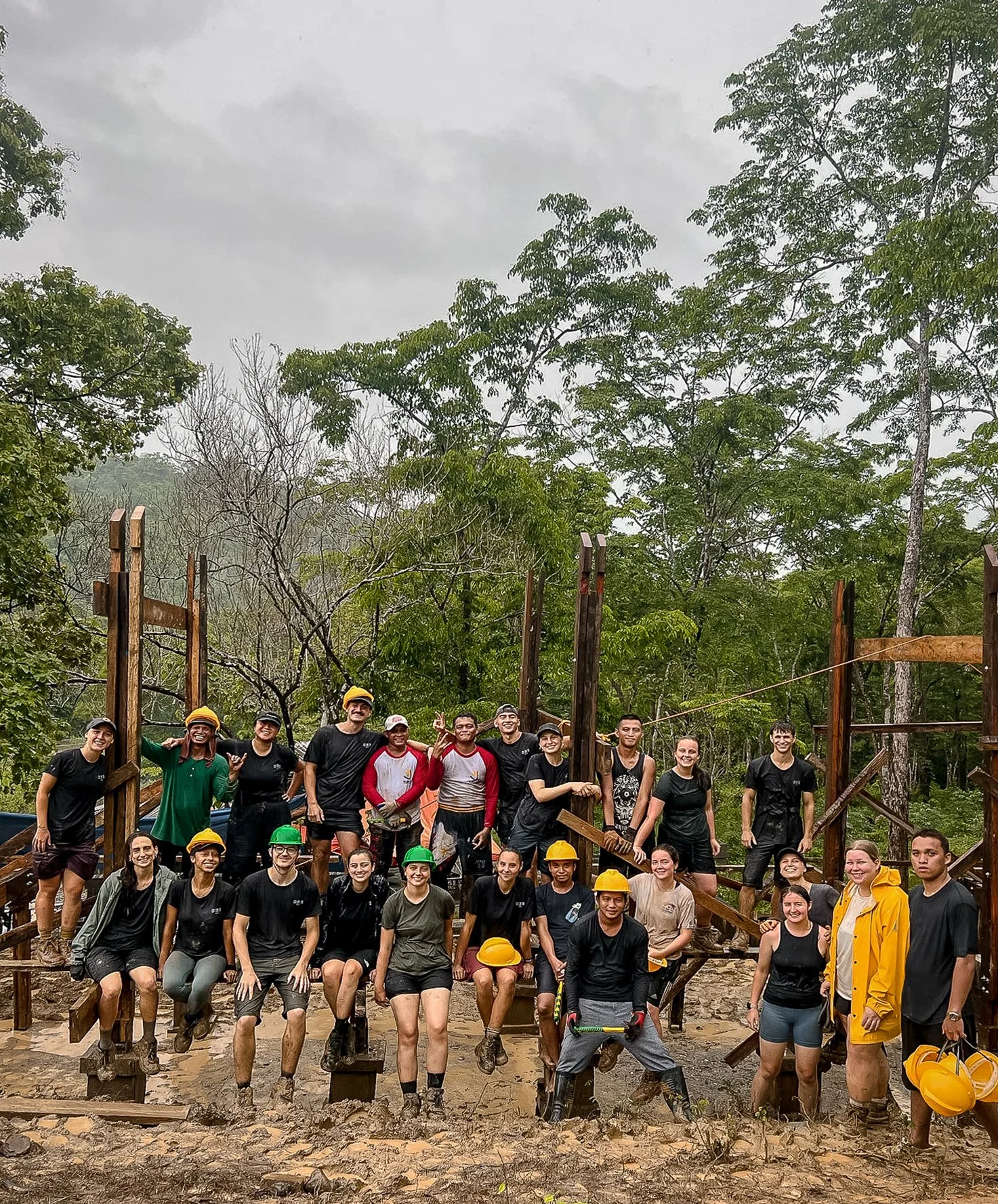
Tucked within the forested landscape of Mindoro, this project forms part of a wider conservation effort to protect the critically endangered Mindoro warty pig. Developed in collaboration with Talarak Foundation, the project delivers essential on-site infrastructure to support long-term animal care, staff wellbeing, and biosecurity within the reserve.
The scope of works included the construction of a staff accommodation building, a dedicated disinfection and food storage facility, and six large pig enclosures. Together, these elements create a functional and resilient conservation compound, enabling staff to live and work safely on site while reducing the risk of disease transmission between humans, livestock, and wildlife.
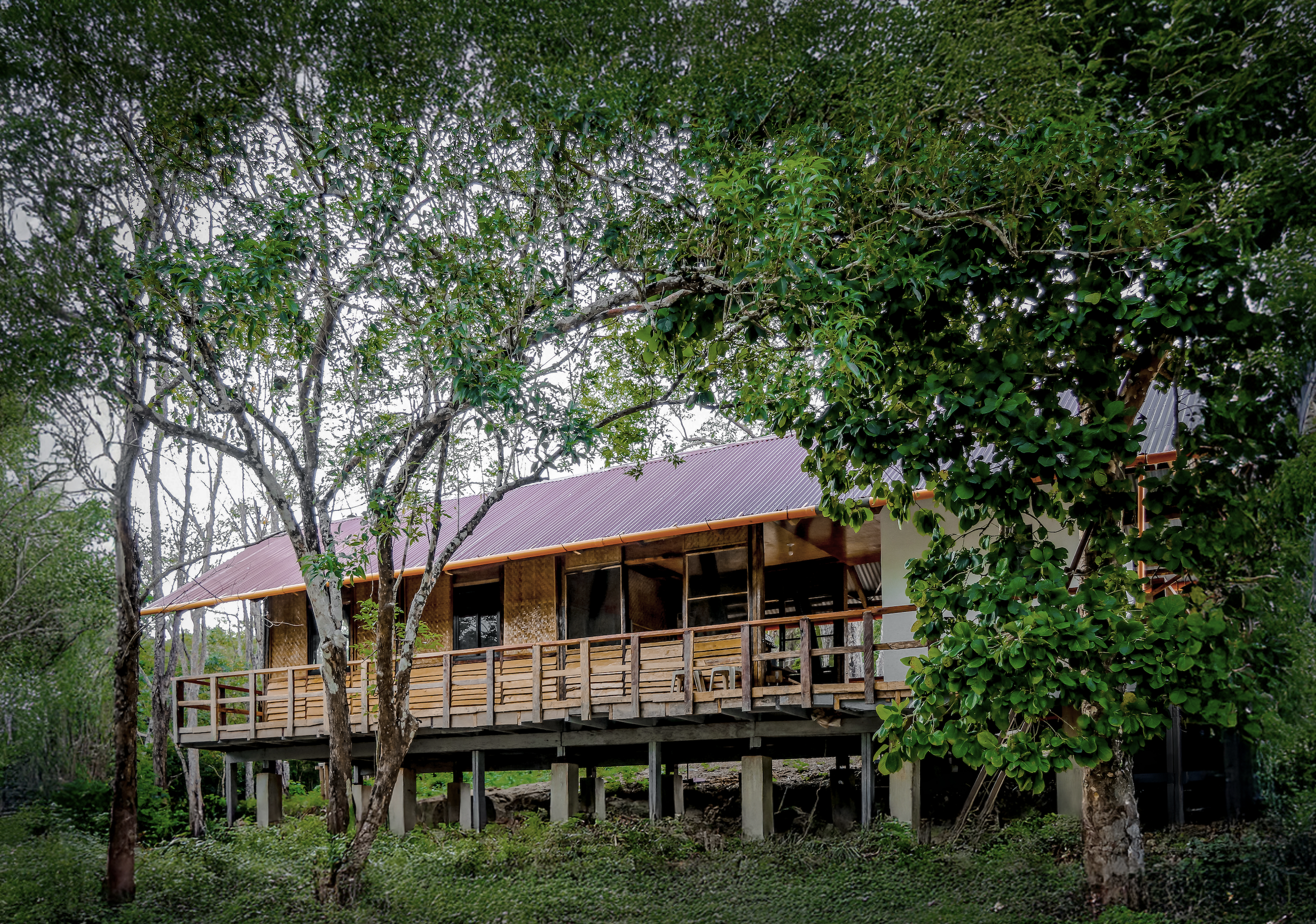
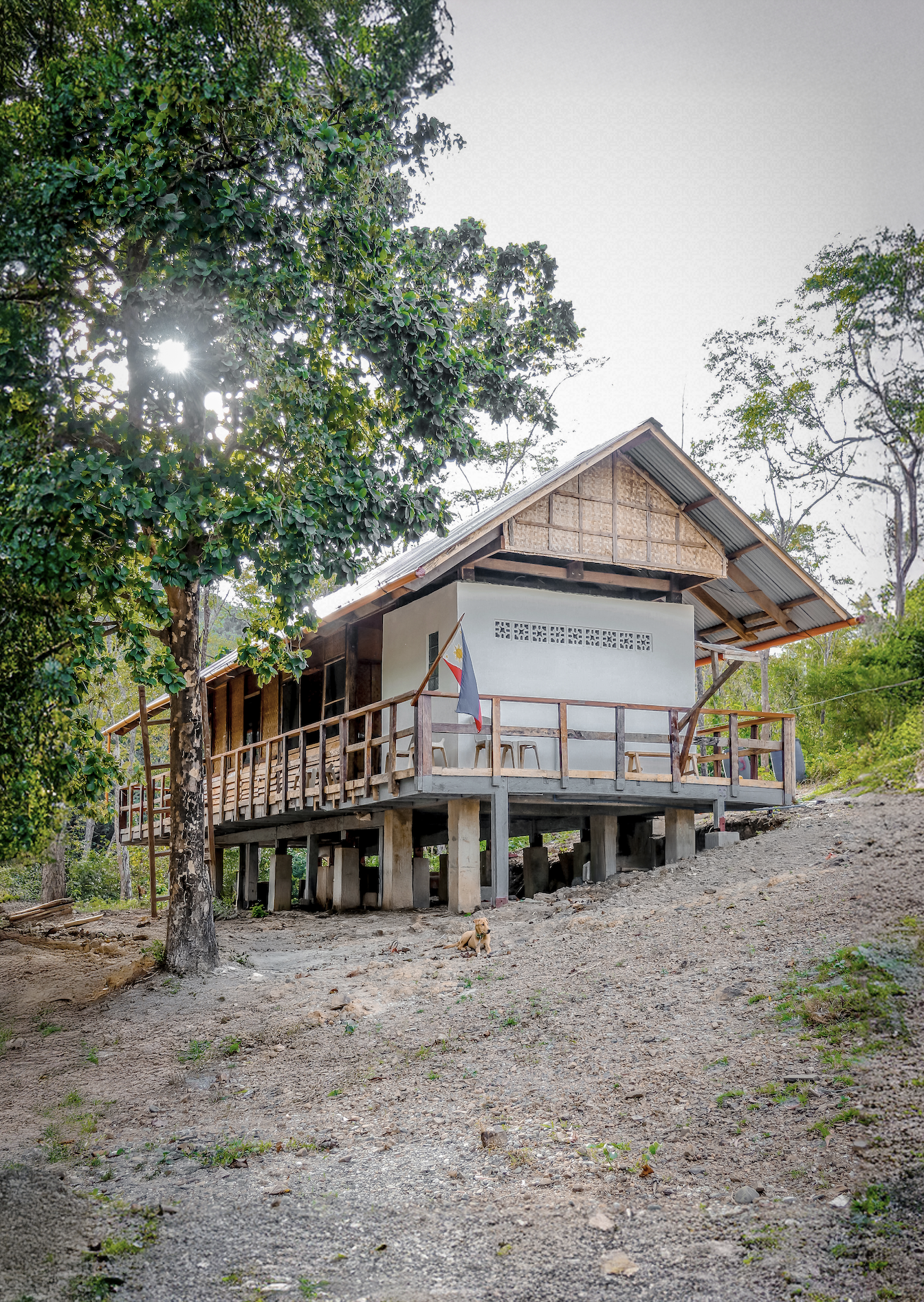
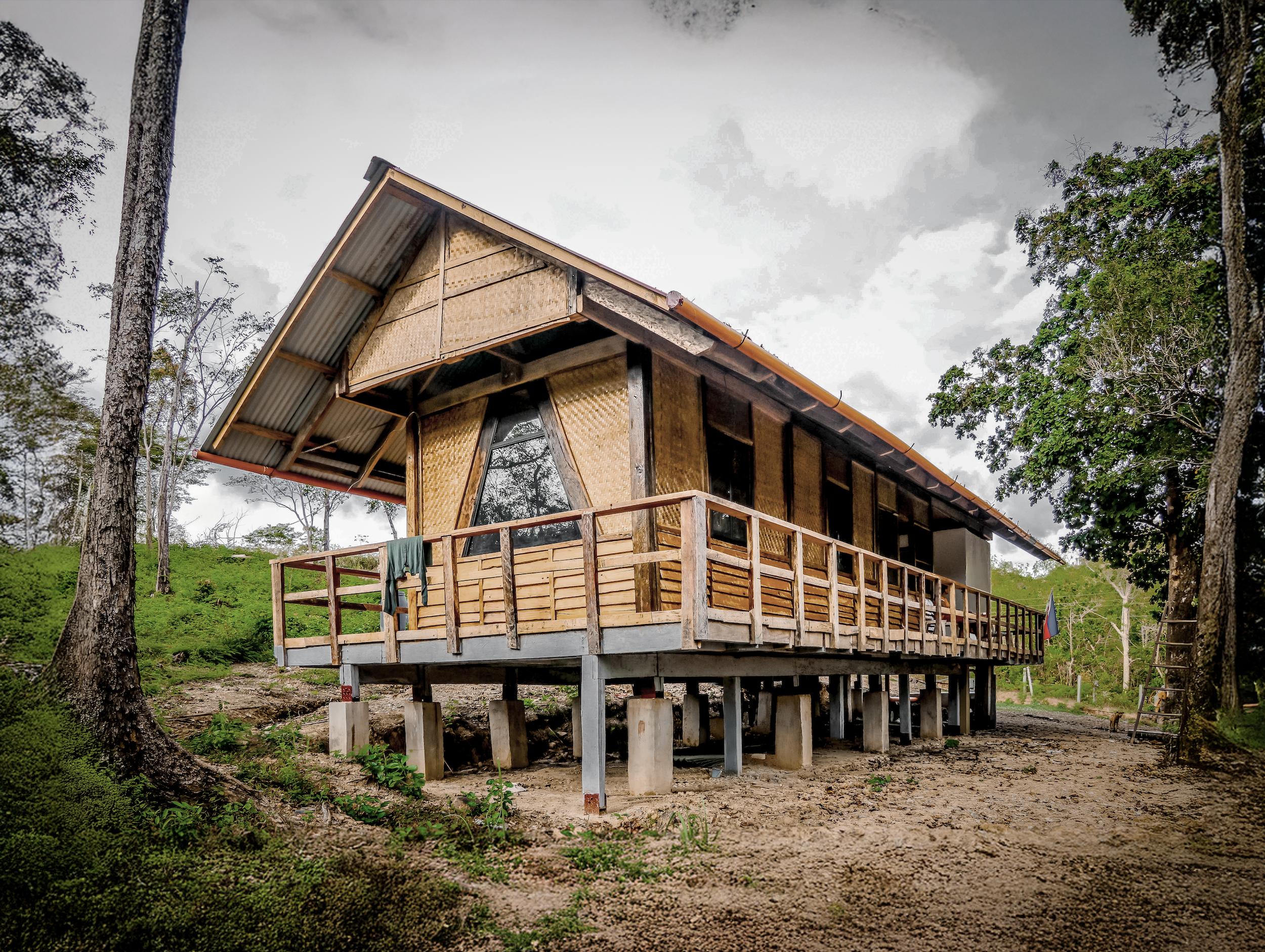
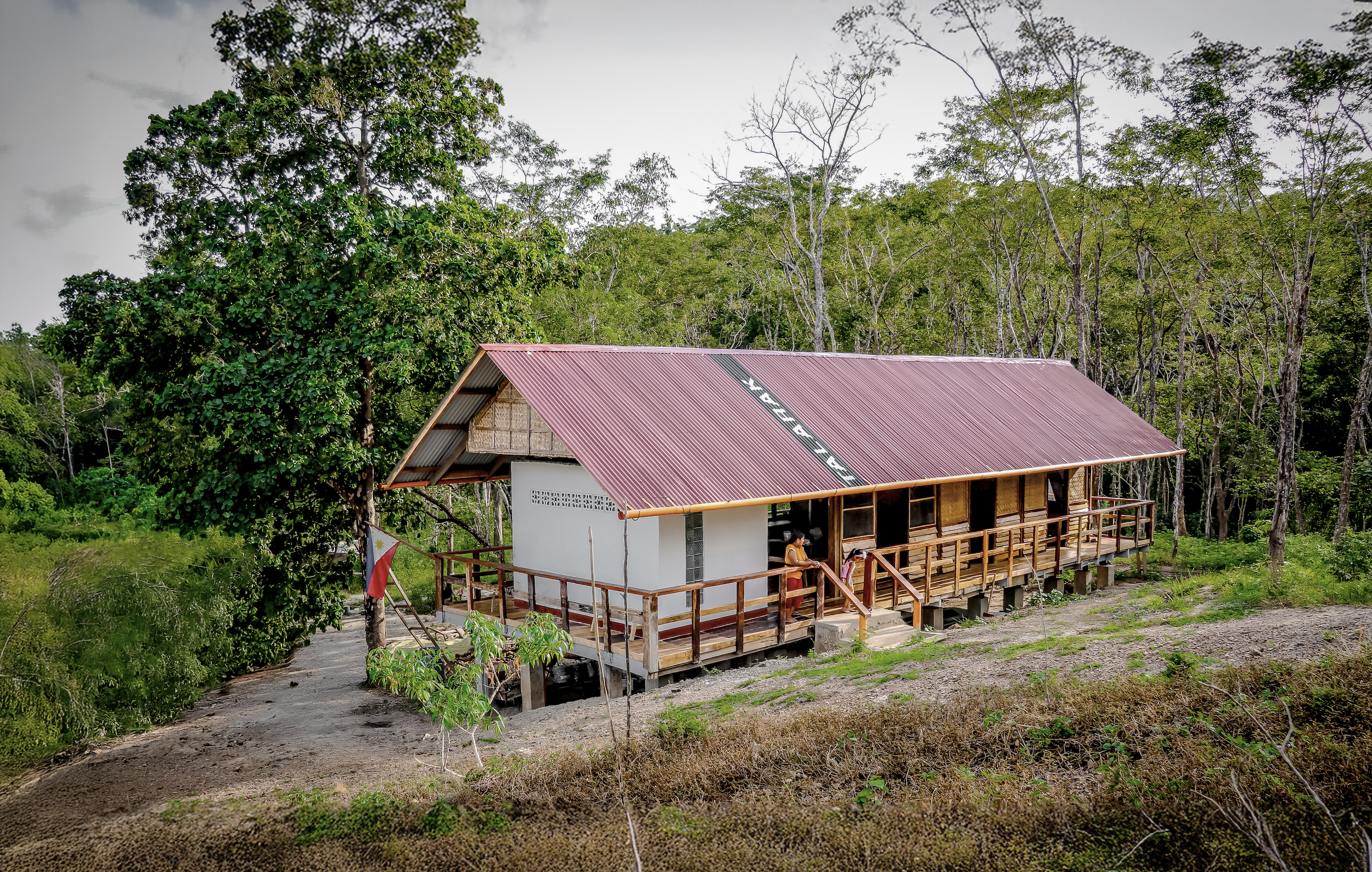
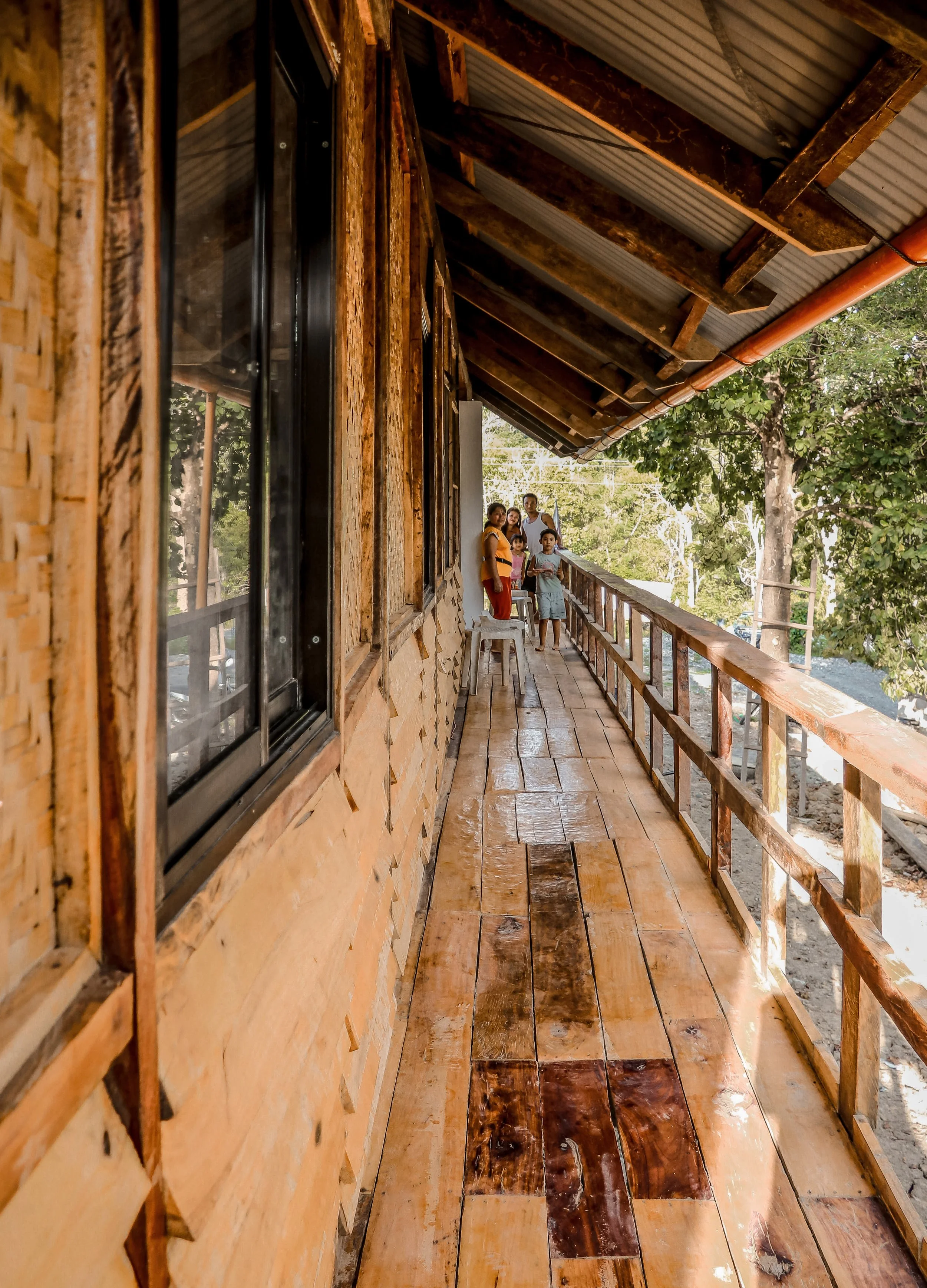
The staff accommodation is a lightweight, raised structure set carefully into the sloping terrain. Elevated on concrete piers to minimise ground disturbance and improve drainage, the building is wrapped on all sides by a continuous veranda, offering shade, ventilation, and sheltered circulation during heavy rainfall. The architecture prioritises simplicity and adaptability, responding directly to climate, site conditions, and the realities of remote construction.
A significant proportion of the timber used in the project was reclaimed and donated by the local government. Arriving in mixed conditions and sizes, this material required an iterative, hands-on approach to design and construction, with details adapted on site as the building took shape. Woven bamboo panels were used for wall infill, paired with timber framing and a pitched metal roof with generous overhangs, creating durable structures that remain breathable, robust, and easy to maintain.
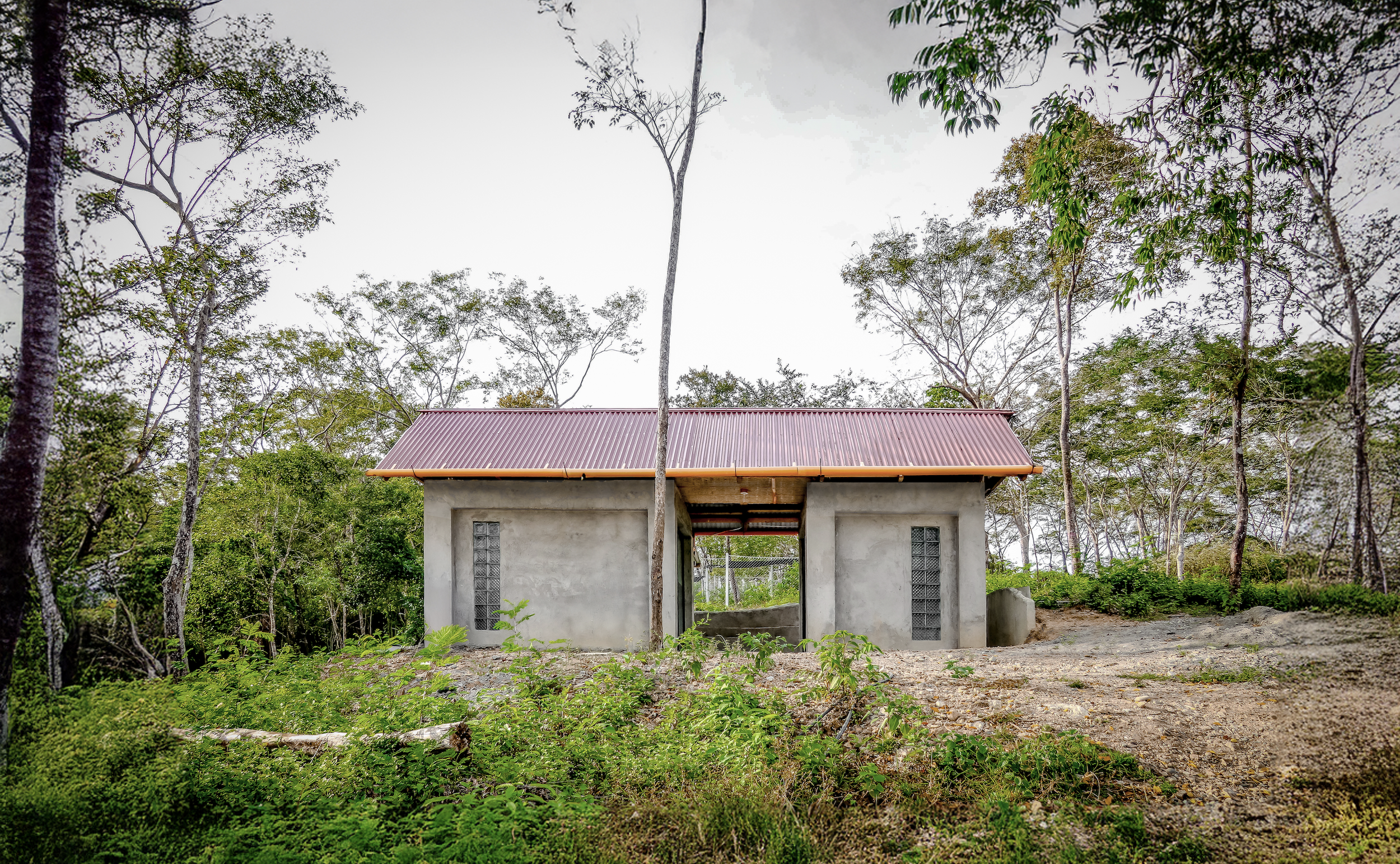
Separate from the accommodation, the disinfection building acts as a critical threshold between human spaces and the pig enclosures. Built as a solid concrete structure, it provides a controlled environment for staff to change, clean equipment, and store food before entering the enclosures, reinforcing strict biosecurity protocols essential to the health of the pigs.
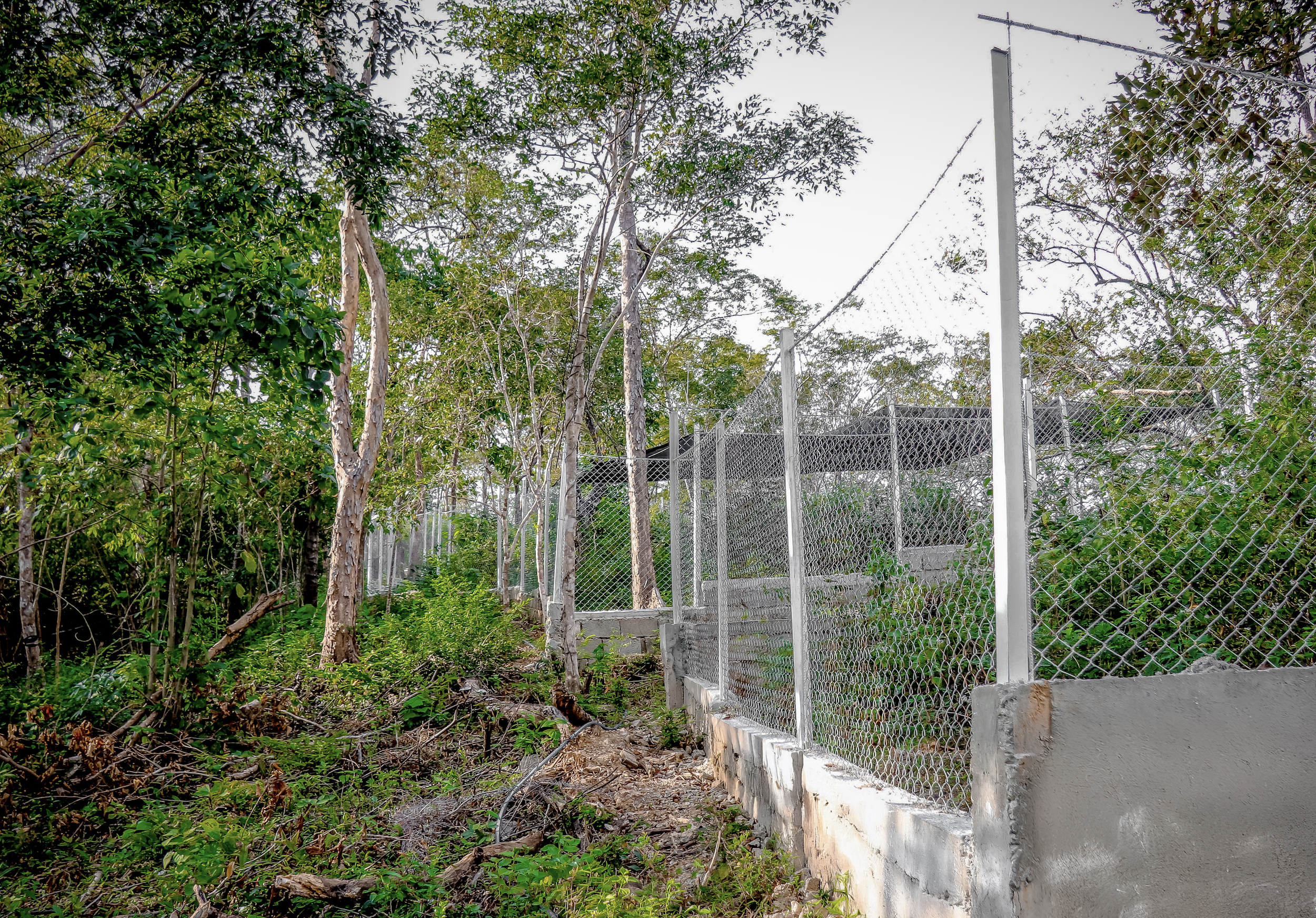
The six pig enclosures are large, fenced outdoor areas integrated into the forest edge. Designed to contain the animals while excluding disease vectors, the enclosures balance security with minimal intervention in the surrounding landscape, allowing the pigs to inhabit a more natural environment.
The initial phase of construction was delivered over an 8-week period with the support of international participants from around the world, who worked alongside local builders and the Talarak Foundation team. This collaborative build created a shared learning environment, combining local knowledge with external skills and energy. Following the workshop period, construction was continued and completed by the local team, ensuring continuity, ownership, and long-term understanding of the buildings and their maintenance.
Construction took place throughout the rainy season, presenting ongoing challenges including difficult site access, water management, and material protection. Despite these constraints, the project was delivered through close collaboration, flexibility, and on-site problem-solving.
Rather than a singular architectural object, this project is best understood as conservation infrastructure - architecture designed to quietly support ecological care, daily routines, and long-term stewardship. It stands as a practical, grounded response to the realities of working in sensitive environments, where architecture plays a supporting role in protecting both people and wildlife.
We would like to extend a sincere thank you to the Talarak Foundation, the international participants, local builders, and everyone who contributed materials, expertise, labour, and support to make this project possible.